Interviews reward clarity under pressure. You need to listen carefully, answer directly, remember strong examples, and ask thoughtful questions at the end. That is a lot to hold in your head while someone is evaluating you.
An AI interview copilot should not turn you into someone else. Used well, Mufal helps you organize what you already know so you can speak more clearly.
Prepare your story bank
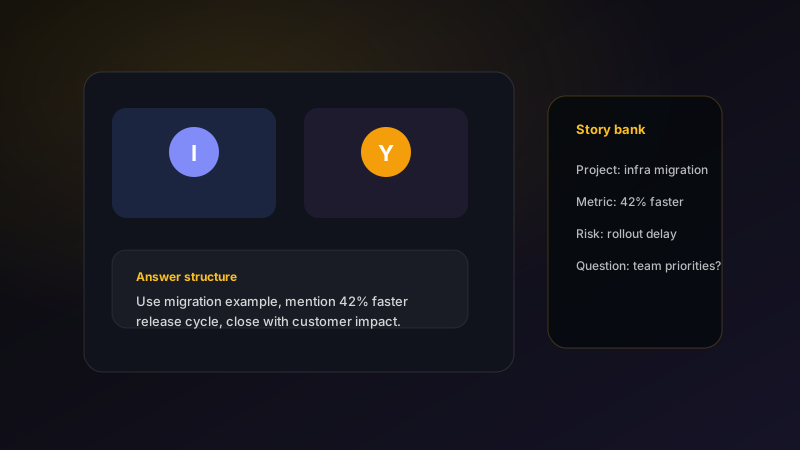
Before the interview, create a mode with your resume, role description, strongest projects, measurable wins, and a few STAR-format examples. Add constraints too: topics to avoid, salary boundaries, and questions you want to ask.
When the interviewer asks a broad question, Mufal can remind you which example fits best and how to structure it without wandering.
Stay conversational
The goal is not to read generated answers. That usually sounds stiff. Instead, use Mufal for quick structure: "use the migration project," "mention latency reduction," "close with customer impact." You still speak in your own words.
Capture what matters
After interviews, candidates often forget details: team structure, expectations, next steps, concerns, and names. Mufal keeps a clean record so you can send a sharper thank-you note and prepare better for the next round.
For candidates, the advantage is calm. For recruiters and hiring managers, the same workflow helps capture structured interview notes while staying present with the person on the call.